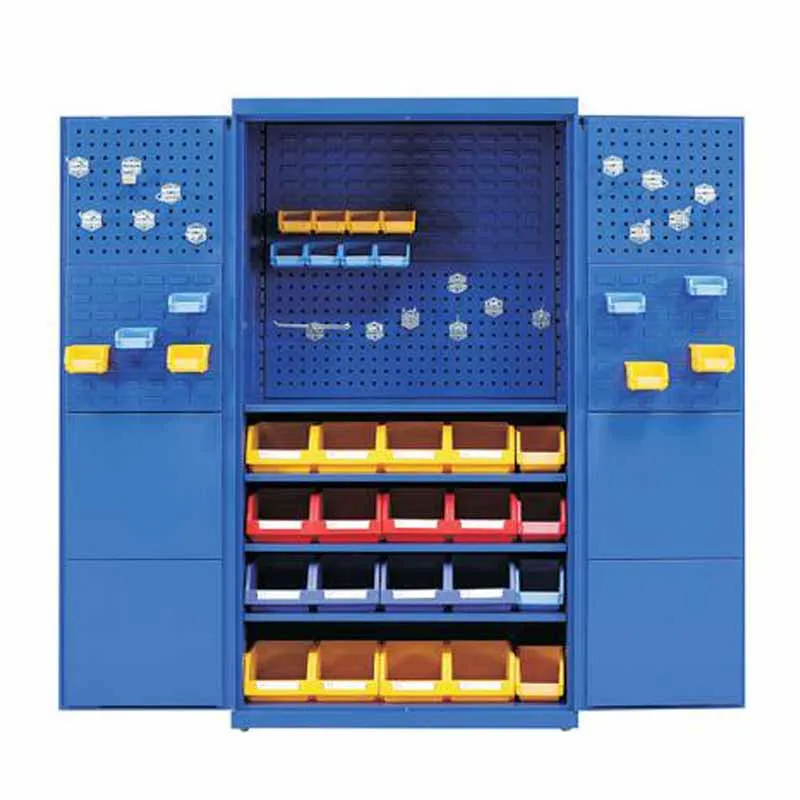
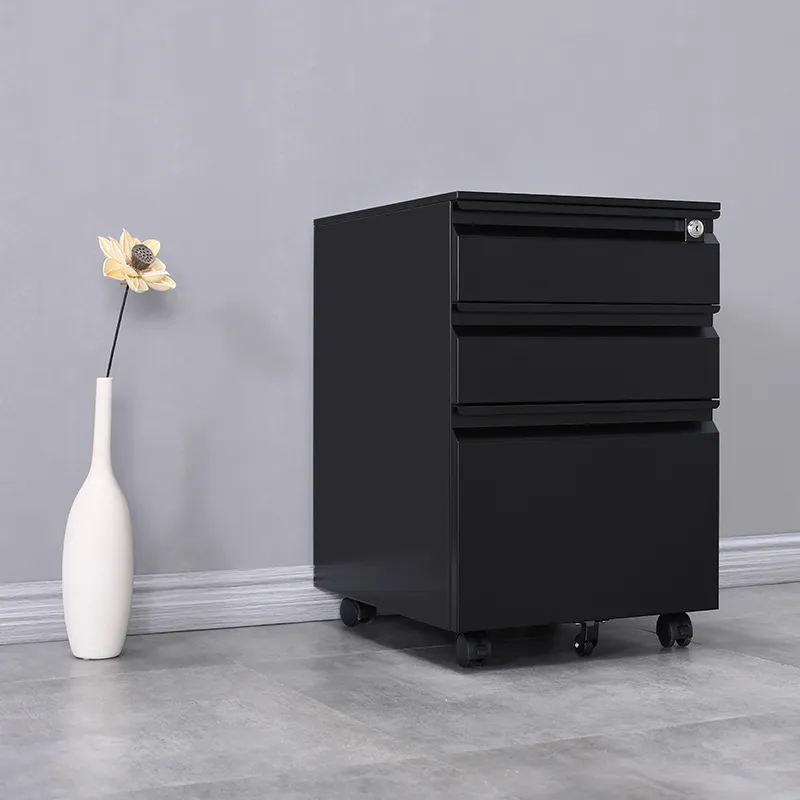
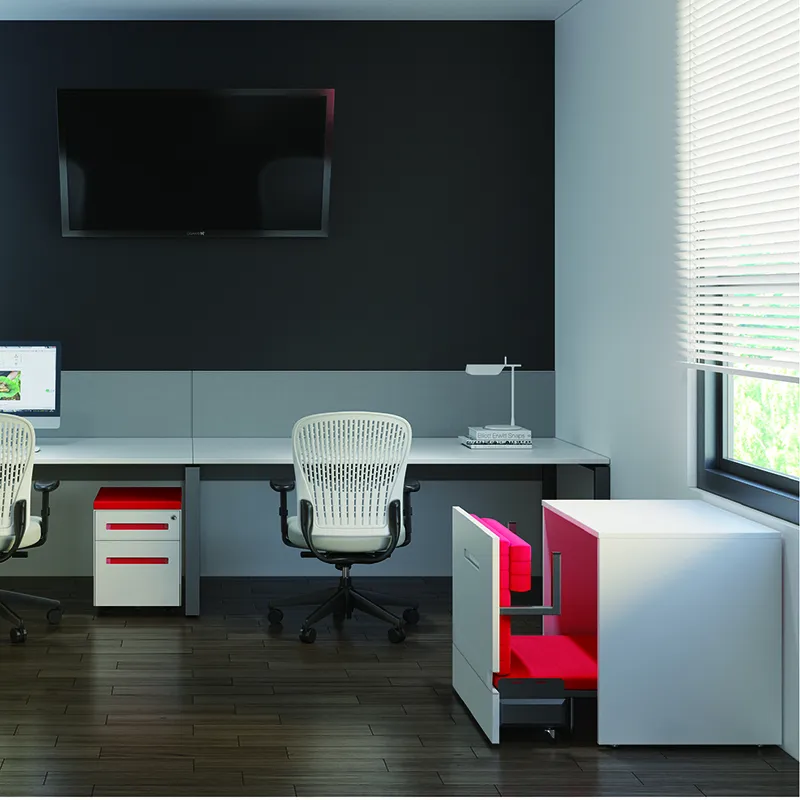
Three-unit outdoor trash can enclosure for a coordinated residential storage area
Outdoor trash can storage in Canada looks simple until you compare what different cities actually place at the curb. A large garbage bin in Toronto may be close in capacity to a 96-gallon trash can, while another municipality may use a different size, shape, lid, or wheel position. Add recycling and organics, and a side yard can quickly become home to several large containers rather than one.
That is why choosing an enclosure should start with the trash cans already used at the property. Capacity is useful, but actual width, depth, height, front clearance, and the route to the collection point matter more in everyday use. For Canadian homeowners, distributors, and residential project buyers, the best solution is one that organizes the area without making collection day more complicated.
MEOEN offers steel enclosures in single-, double-, triple-, and quad-door configurations. The range combines assisted top opening, lockable front access, galvanized steel, an outdoor powder-coated finish, stainless hardware, and coordinated wood-texture or grey finishes. Those details become most useful when they are matched to the actual site rather than treated as a checklist of features.
Measure the Trash Can Before You Measure the Enclosure
Canadian municipal garbage bins are not one standard size. The City of Toronto currently lists residential garbage bins from 75 litres to 360 litres, while Vancouver offers multiple garbage-bin sizes and notes that dimensions can vary by make and model. Calgary goes a step further and advises anyone building an enclosure to measure the actual bins first.
That advice is worth following even when a trash can appears to be close to 96 gallons in capacity. Two containers can hold a similar volume but differ in lid shape, wheel placement, handle position, or overall depth. Those differences can affect whether the front door closes comfortably and whether the trash can rolls in and out without catching on the frame.
When comparing an outdoor garbage storage cabinet, the practical question is not simply whether it is marketed for a particular gallon size. The better question is whether it fits the trash cans actually used at the property and leaves enough room for daily access.

Double-unit enclosure dimensions for planning two-trash-can storage
Measure More Than the Trash Can Itself
| What to Check | Why It Matters |
| Trash can width | Confirms side clearance inside the enclosure and through the front opening. |
| Trash can depth | Helps ensure the container sits fully inside without forcing the door. |
| Trash can height and lid | Checks whether top access works comfortably with the trash can in place. |
| Front-door clearance | Allows a full trash can to roll out without hitting a wall, fence, vehicle, or snow pile. |
| Route to the collection point | Ensures the enclosure location does not make pickup day harder. |
The last two measurements are easy to overlook. An enclosure can fit perfectly against a wall and still become inconvenient if there is not enough room to open the front door and pull out a full trash can. In winter, snow clearing can also reduce the usable space around the installation, so the location should be planned for the whole year rather than only for summer.
What Does Year-Round Outdoor Use Ask of the Materials?
An enclosure that remains outside through changing seasons has a different job from an indoor cabinet. Moisture, repeated wetting and drying, temperature swings, cleaning, and regular handling all influence how the product performs over time.
MEOEN uses galvanized steel with an outdoor powder-coated finish, together with stainless hardware. These choices support an outdoor application while also giving the enclosure a more finished appearance beside a home. The structure is designed to be weather-resistant, but that does not make placement irrelevant. Good drainage, a reasonably level base, and avoiding locations where water regularly pools are still sensible decisions.
The American Galvanizers Association explains that galvanized steel protects the underlying steel through a zinc coating and that real-world durability depends on the surrounding environment. For Canadian buyers, that is a useful way to think about outdoor storage: good materials provide a stronger starting point, while site conditions and normal care still affect long-term performance.

Everyday Access Matters More Than It Seems
A trash can enclosure may be visible from the street, but most of its value is experienced up close. A household may open it several times between collection days. If every trip requires lifting a heavy unsupported lid or moving a large panel out of the way, an attractive finish will not make the product feel premium for long.
A gas-spring lid supports smoother top access for routine disposal, while the lockable front door allows the trash can to be rolled out when it is time for collection. Keeping those two tasks separate makes the enclosure easier to use throughout the week.
For buyers considering an outdoor garbage bin enclosure, practical access is one of the details worth testing on a sample. Open the lid repeatedly, roll a full-size trash can through the front, and check whether the enclosure still feels easy to use when positioned in a realistic outdoor space.

Several Waste Streams Can Change the Best Layout
Many Canadian households manage more than one large container. Depending on the city, garbage, recycling, and organics may each have their own bin. That does not automatically mean every container needs to be enclosed, but it does make a fixed one-bin solution less flexible when several trash cans share the same side yard or driveway area.
MEOEN uses a modular format that expands from a single unit to double, triple, and quad configurations. The units share a consistent depth and height while width increases with capacity, making it easier to create one coordinated storage area instead of placing several unrelated cabinets side by side.

Triple-unit dimensions for larger multi-bin residential storage needs
For Canadian projects, the important point is to use the enclosure dimensions as a planning reference and then confirm the fit of the actual municipal trash cans. A three-unit enclosure may be appropriate for one property, while another home with the same number of containers may prefer to screen only the most visible two.
Wood Texture or Grey? Let the Property Decide
Once several trash cans are stored together, the enclosure becomes a larger visual element. Finish choice therefore matters more on double, triple, and quad configurations than it might on a single unit.
Natural wood-texture fronts can relate well to timber fencing, decks, landscaped areas, and warmer exterior materials. Dark grey works naturally with contemporary siding, metal trim, concrete, and more neutral colour palettes. Mixed wood-and-grey combinations can also break up the appearance of a longer enclosure, preventing a three- or four-unit system from reading as one uninterrupted block.

Wood-texture and grey finishes can be combined across a multi-unit enclosure
For a Canadian home, the objective is not to make trash storage a focal point. It is to make the area look deliberate. A well-chosen metal garbage enclosure should reduce visual clutter while fitting naturally with the materials already used around the property.
Plan for Snow, Drainage, and Front-Door Clearance
Winter changes how outdoor storage areas are used. A location that feels spacious in July may become tighter when snow is piled beside a driveway or pathway. Meltwater can also collect around low points, and a front door that opens comfortably in dry weather may become awkward if the surrounding area is not kept clear.
Before installation, consider where snow is normally moved, where meltwater drains, and whether there will still be enough room to roll a full trash can out. Avoiding a low spot where water regularly sits is a simple decision that can improve day-to-day use without changing the product itself.
The enclosure should work around the household routine rather than forcing the household to reorganize its routine around the enclosure.
B2B Buyers Should Think About Repeatability
For distributors, property managers, developers, and outdoor-living retailers, the challenge is broader than fitting one property. Different developments may use different municipal bin sizes, and one location may require a single unit while another needs three or four.
A coordinated family of single-, double-, triple-, and quad-door enclosures makes that assortment easier to manage. Buyers can also confirm finish combinations, locking options, packing, knock-down construction, assembly requirements, and project-specific customization before a larger production run.
A physical sample is useful here as well. It allows the buyer to test actual trash-can clearance, lid movement, front access, assembly, and finish before the same specification is repeated across a bulk order or several properties.

Before-and-after view: enclosing several trash cans reduces visual clutter around the property
For Canada, the Best Enclosure Starts With the Right Fit
Canadian marketing can easily become a long list of claims about snow and cold weather. The more useful buying advice is simpler. Measure the actual trash cans, check the installation area, leave room for the front door and collection route, and choose only as much capacity as the property really needs.
After that, features such as assisted top opening, lockable front access, galvanized steel, powder coating, stainless hardware, coordinated finishes, and modular sizing become more meaningful. They support a cleaner and more practical storage area without turning a necessary household function into a complicated project.
For homeowners and B2B buyers across Canada, measuring first and choosing second is a small step that can prevent many of the fit and access problems that only become obvious after an enclosure arrives.
FAQs
Will a 96-gallon trash can enclosure fit a Canadian 360-litre garbage bin?
It may, but capacity alone does not confirm fit. Municipal bins can differ in width, depth, height, lid design, and manufacturer. Measure the actual trash can before ordering.
What garbage-bin sizes are currently used in Toronto?
The City of Toronto currently lists 75 L, 120 L, 240 L, and 360 L residential garbage-bin options. Buyers should still measure the specific bin used at the property.
Should an outdoor trash can enclosure be weather-resistant in Canada?
Outdoor-oriented materials and finishes are important for a product that remains outside through changing seasons. Drainage, snow management, placement, and normal care should still be considered.
How many trash cans can the MEOEN enclosure system hold?
The range includes single-, double-, triple-, and quad-door configurations. Actual fit should always be confirmed against the dimensions of the trash cans used at the property.
Is a wood-texture trash can enclosure suitable for Canadian homes?
Yes. Wood-texture panels can work well with fencing, decks, and landscaping, while grey finishes suit more contemporary exterior materials. Mixed finishes are also available for larger configurations.
References
City of Toronto. “Garbage Bin Sizes & Fees.” City of Toronto.
https://www.toronto.ca/services-payments/recycling-organics-garbage/houses/garbage-bin-sizes-fees/
City of Vancouver. “Garbage Bins.” City of Vancouver.
https://vancouver.ca/home-property-development/getting-garbage-bins.aspx
City of Calgary. “Types of Commercial Bins and Dumpsters.” City of Calgary.
https://www.calgary.ca/for-business/operations/bins-carts-dumpsters.html
American Galvanizers Association. “Performance of Hot-Dip Galvanized Steel Products.” American Galvanizers Association.
https://galvanizeit.org/education-and-resources/publications/performance-of-hot-dip-galvanized-steel-products
 English
 Deutsch
 Español
 العربية
 Polska
 Gaeilge