A metal locker project can run into problems before a single locker reaches the building.
Sometimes the issue is not product quality at all. Too many lockers may have been squeezed into a narrow area. The chosen compartments may not fit what users actually need to store. Locker doors may open directly into a busy walkway. In other cases, an electronic access system is specified simply because it sounds more advanced, even though the site does not need it.
By the time these problems become obvious, the order may already be in production.
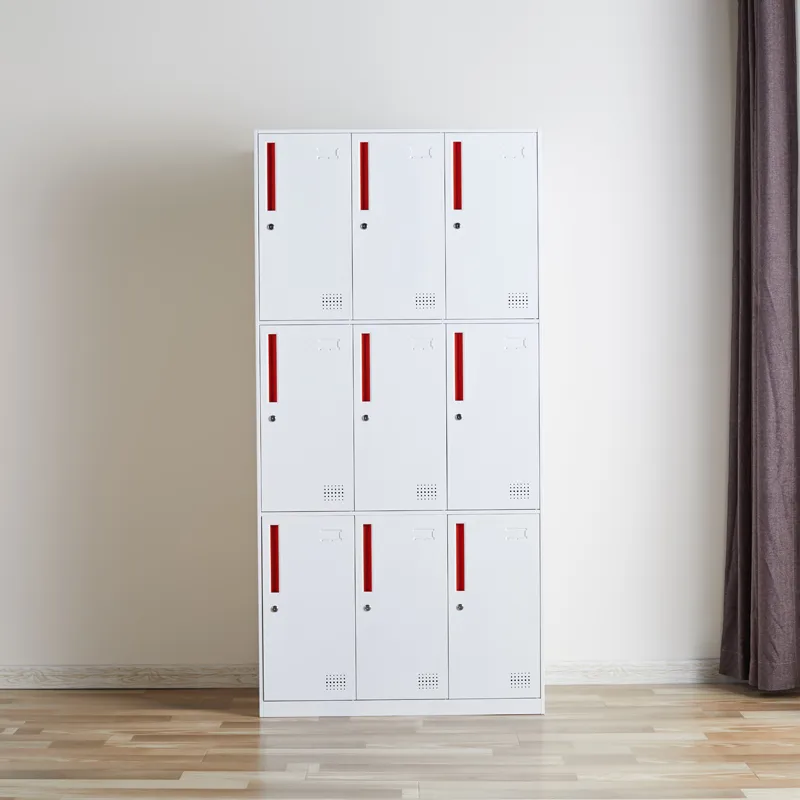
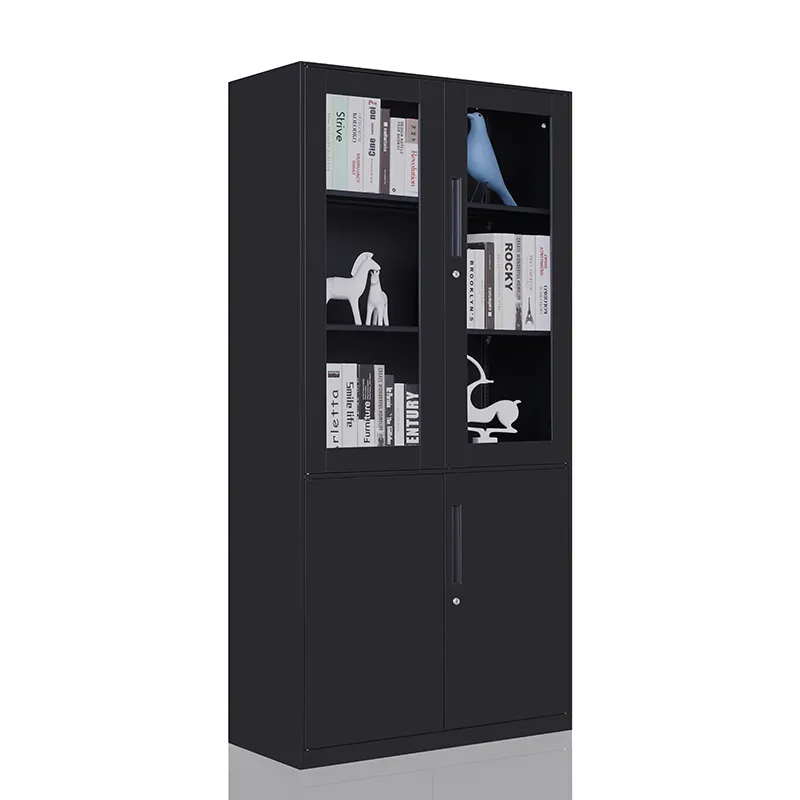
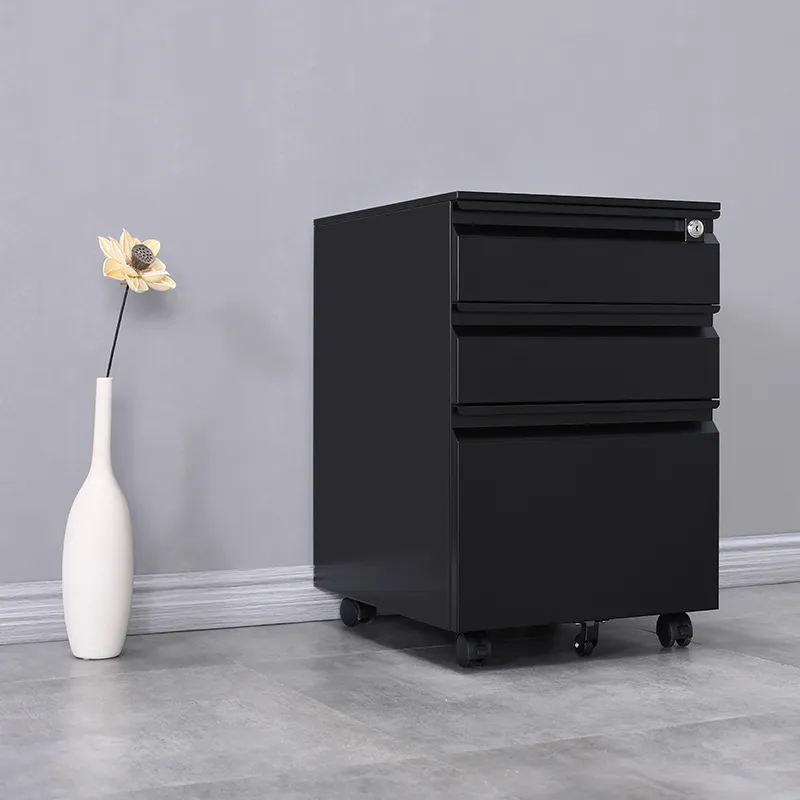
For buyers comparing metal lockers china suppliers, a better approach is to plan around the users and the space first, then choose the locker configuration. Meoen offers standard steel lockers, electronic lockers, school lockers, and sports lockers for different commercial and institutional storage environments.

Start With People, Not the Product Catalogue
Before choosing a locker model, imagine a normal day in the building.
What will users bring with them? How often will they open the locker? Will several people need neighboring lockers at the same time? Is storage permanently assigned to one person, or does it need to be shared between different users?
The answers can quickly change the most appropriate product configuration.
A school corridor, for example, has a different usage pattern from an office or changing room. Even when the lockers look similar, the ideal compartment arrangement and access method may be quite different.
More Lockers Do Not Always Mean Better Space Efficiency
Fitting the maximum possible number of lockers into a room can look efficient on a floor plan. Once people start using the space, however, the weaknesses in that approach become easier to see.
Locker doors need room to open. Users need somewhere to stand while accessing their belongings. People also need to pass behind or beside them comfortably.
The U.S. Occupational Safety and Health Administration emphasizes keeping aisles and passageways clear in workplace environments. Local regulations differ between markets, but the broader planning principle remains useful: storage capacity should not interfere with safe and practical movement.
How Should Different Locker Requirements Be Approached?
| Project Scenario | Main Planning Question | Potential Locker Direction |
| School | Can students access personal storage easily during busy periods? | Simple, durable compartment lockers with a practical layout. |
| Office | Are lockers permanently assigned or shared between employees? | Mechanical or managed-access lockers depending on workplace use. |
| Changing Area | Do users need enough internal room for clothing and bags? | Larger compartments designed around personal belongings. |
| Shared Facility | Does access need to change between different users? | Electronic locker systems may offer more flexible management. |
| Multi-site Project | Will the same locker design be required again? | A repeatable modular specification can simplify future expansion. |
One Large Compartment or Several Smaller Ones?
There is no universal answer because the right configuration depends on what people actually need to store.
A tall compartment may work well when users need room for clothing or bags. Smaller individual compartments can use space more efficiently when belongings are compact. Choosing the configuration simply because it is popular can lead to wasted space or an inconvenient user experience.
Meoen's locker range covers different structures for school, sports, office, and shared storage applications, giving project buyers several starting points instead of forcing one locker format into every environment.
Electronic Locks Are Useful, but Not Every Project Needs Them
Electronic lockers can be valuable in offices with flexible seating, public facilities, or environments where access changes frequently. They can make shared storage easier to manage and reduce dependence on permanently assigned keys.
However, electronic access is not automatically an upgrade for every project.
If a locker is assigned to the same user every day, a straightforward mechanical locking system may be easier to operate and maintain. The best access method is the one that matches how the facility actually works.
Meoen offers both conventional lockable steel lockers and electronic locker solutions, allowing buyers to select the approach that fits the project rather than adding technology simply because it is available.
The Installation Environment Can Change the Specification
A locker installed in a dry office should not automatically receive exactly the same specification as one placed near a changing or shower area.
Humidity, cleaning frequency, and general use conditions affect how the locker surface performs over time. Meoen's standard steel locker products use cold-rolled steel with coated finishes, while specific project requirements can be discussed according to the intended environment.
This is why telling the supplier where the lockers will actually be installed can sometimes be more useful than sending a long specification without context.
Test the Sample Like a Real User
When the sample arrives, do more than inspect it from a distance.
Open the door repeatedly. Put a typical bag or other stored item inside. Try the lock several times. Stand in front of the locker with the door open and consider whether another person could comfortably use the unit beside it.
If the product will be assembled at the destination, the sample stage is also a good opportunity to test assembly.
These simple checks often reveal more about the real user experience than another page of specifications.
Think About Expansion Before the First Order Is Finished
This is particularly important for schools, factory groups, office networks, sports facilities, and distributors.
If the first locker installation works well, there is a good chance the same design will be needed again. Establishing a repeatable product reference during the first project makes future expansion easier and reduces the risk of different batches looking slightly different.
A modular approach can also simplify planning when another floor, branch, or facility needs to follow the same design later.
A Good Locker Project Should Feel Simple to the User
The final user should not need to think about all the planning behind the locker system.
The door should open easily, belongings should fit naturally, access should be straightforward, and people should be able to move through the space without unnecessary congestion.
That simple experience usually comes from making good decisions before production begins.
By considering users, storage needs, access methods, environment, and available space before choosing the final configuration, project buyers can avoid many of the problems that become expensive after installation. Meoen's standard, school, sports, and electronic steel locker ranges provide different starting points for planning these commercial storage projects.
FAQs
What information should I provide before ordering metal lockers?
Explain where the lockers will be installed, who will use them, what users typically need to store, and how access should work. This gives the supplier more useful context than dimensions alone.
Are electronic lockers better than mechanical lockers?
Not necessarily. Electronic lockers are useful for shared or changing access, while mechanical locks can be more practical for permanently assigned storage.
How do I choose the right locker compartment size?
Start with the belongings users actually need to store. The best compartment arrangement depends on the application rather than one standard size.
Why should aisle space be considered before ordering lockers?
Both users and open locker doors require space. Poor aisle planning can create congestion even when the lockers technically fit within the floor plan.
Can metal lockers be customized for commercial projects?
Yes. Depending on the project, suitable adjustments can be discussed for locker configuration, access methods, dimensions, finishes, and other functional requirements.
References
Occupational Safety and Health Administration. "1910.176 - Handling Materials - General." U.S. Department of Labor. https://www.osha.gov/laws-regs/regulations/standardnumber/1910/1910.176
BIFMA. "Standards Overview." Business and Institutional Furniture Manufacturers Association. https://www.bifma.org/page/standardsoverview
World Steel Association. "Circular Economy." World Steel Association. https://worldsteel.org/wider-sustainability/circular-economy/
 English
 Deutsch
 Español
 العربية
 Polska
 Gaeilge