Email:
sales@meoen.com
EN

WHAT ARE YOU LOOKING FOR?
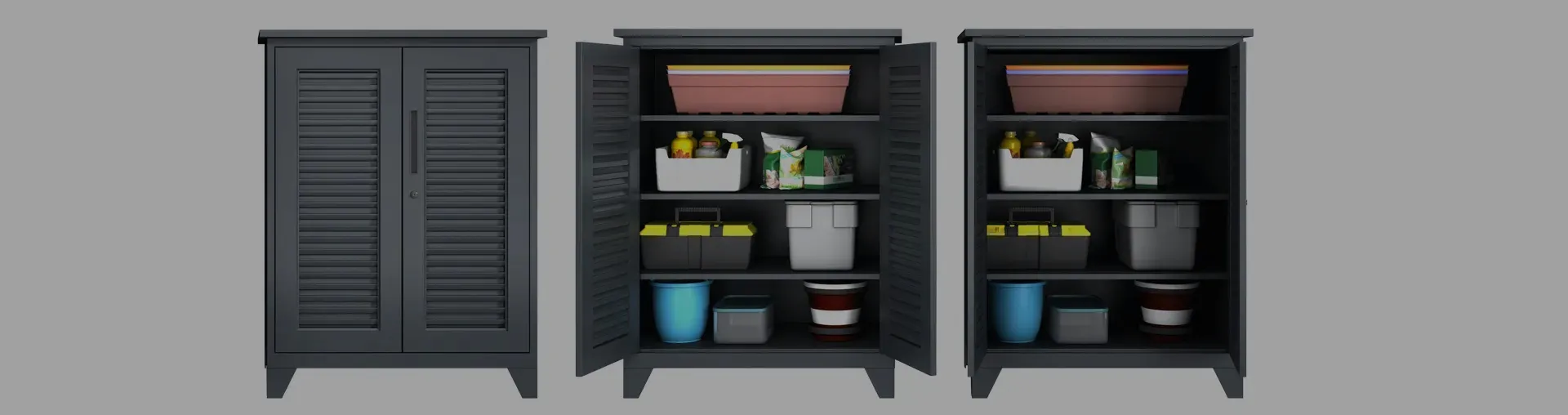
Made from premium steel with specialized anti-rust treatment, it withstands sun, rain, and temperature changes while maintaining structural integrity even with prolonged outdoor use.
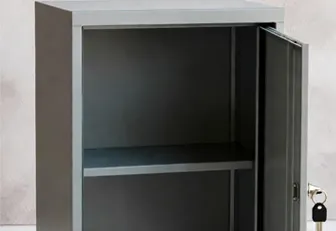
Featuring a robust, integrally molded steel structure paired with security lock options, it effectively resists external damage and ensures the safety of outdoor storage.
Its simple design fits various outdoor settings such as gardens and worksites. The smooth surface is easy to wipe clean, and the built-in base frame allows for convenient repositioning.
Requires minimal maintenance and offers a significantly longer service life compared to wooden or plastic storage solutions, delivering high value for long-term outdoor storage needs.
Outdoor Storage for Household Use: Suitable for Gardening Tools and Miscellaneous Items
Choose compact and simply styled steel storage facilities with basic anti-corrosion and rust-resistant coatings to withstand outdoor humidity and UV exposure. Prioritize safety by selecting lockable cabinet doors to prevent children from accessing hazardous tools. An internally compartmentalized design facilitates the organized storage of flowerpots, fertilizers, cleaning supplies, and other items. Additionally, opt for colors and finishes that complement your patio, garden, or balcony décor, balancing practicality with aesthetic appeal.
Outdoor Storage for Commercial and Industrial Use: Meeting Heavy-Duty Equipment and Goods Storage Needs
Focus on structural strength and load capacity by selecting storage units made of thickened steel plates and reinforced frames. These should reliably hold industrial equipment, raw materials, logistics goods, and other heavy items. For some applications, models with pallet rails can improve loading/unloading efficiency. Enhance anti-theft measures with anti-pry locks and heavy-duty hinges; for added security, choose units with ground-fixing holes to prevent displacement. Opt for high-weather-resistant surface treatments, such as hot-dip galvanization, to endure long-term use in challenging outdoor environments like factory yards and warehouse exteriors.
Public Area Storage: Meeting Multi-user Demands and Compliance Requirements
Adhere to public safety standards by selecting steel storage facilities that meet industry norms, featuring safety details such as anti-pinch designs and rounded corners. These are suitable for parks, gyms, construction sites, and other high-traffic areas. Prioritize easy-to-clean and wear-resistant surfaces to reduce maintenance costs. Choose multi-compartment or multi-door independent storage units to accommodate simultaneous use by multiple individuals. For certain environments, ensure the units are waterproof and dustproof to protect public supplies and temporary items from outdoor conditions, while maintaining a balance between accessibility and security.
Storage for Special Environments: Addressing Coastal, High-Temperature, and Humid Regions
For extreme environments, select customized materials: coastal areas should prioritize 304/316 stainless steel or steel units with high salt-spray corrosion-resistant coatings. In high-temperature and humid regions, emphasize sealing performance and ventilation to prevent mold and aging of stored items; opt for UV-resistant coatings to avoid color fading and deformation. For cold climates, ensure the steel meets toughness standards to prevent brittle cracking, and consider units with insulated layers to protect temperature-sensitive items.
The optimal outdoor steel storage solution for your business should be selected based on a combination of storage needs, environmental conditions, and budget considerations. Prioritize products made of thick, corrosion‑resistant steel. For loose or small items, sealed steel containers are ideal; for large equipment or bulk goods, consider steel‑frame warehouses or open‑yard storage systems. A high‑quality solution often includes customizable dimensions, professional weather‑resistant coatings, and robust locking mechanisms, delivering both durability and practicality to help organize outdoor materials efficiently and reduce storage‑related losses.
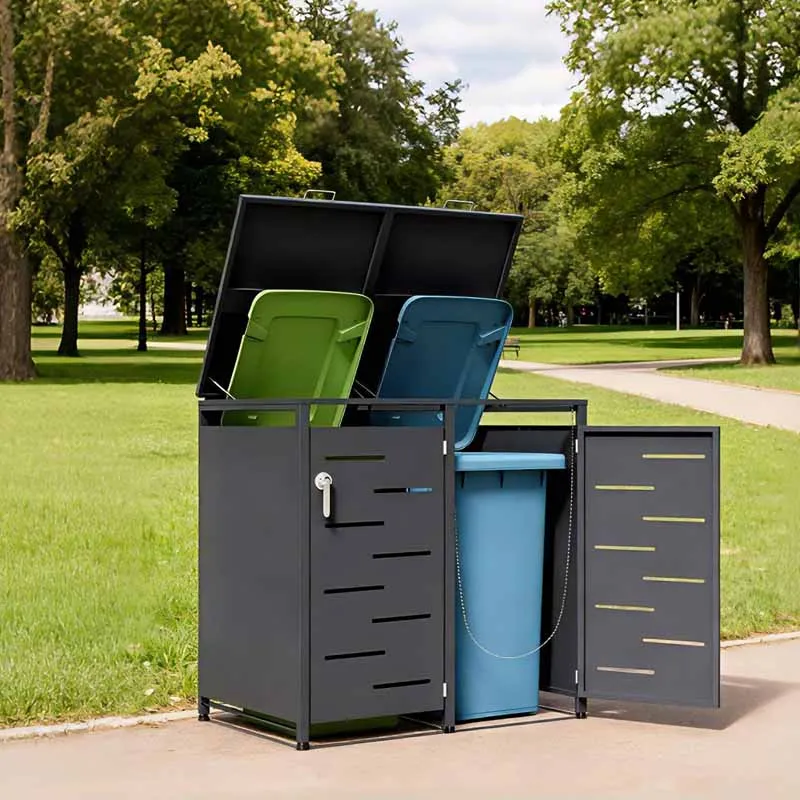
Outdoor steel storage containers are able to withstand long‑term use thanks to several key design and manufacturing features. They are made from high‑strength steel with a thickness that meets structural requirements and a design that resists deformation. The surface is treated with anti‑rust coating or galvanization, effectively sealing out air, moisture, and other corrosive agents to minimize rust and oxidation. In addition, the container’s robust welded construction enhances impact resistance. Together, these factors contribute to a significantly longer service life.
Outdoor steel storage containers are suitable for storing heavy items due to their inherent excellent load‑bearing properties. The steel material is hard and resistant to deformation, and the container's stable structure, along with a well‑designed base support system, evenly distributes the weight of heavy objects. This makes them reliable for storing outdoor tools, equipment parts, building materials, and other heavy items with confidence.
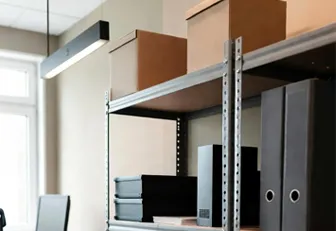
The load‑bearing capacity of outdoor steel storage containers varies depending on the product model. For standard models, the load capacity per shelf/layer generally ranges from 50 kg to 150 kg. Heavy‑duty or custom‑made containers can support even greater weights. The specific capacity depends on factors such as the container dimensions, steel thickness, and structural design. It is recommended to refer to the official specifications provided by the manufacturer for the exact load‑bearing ratings.
Outdoor steel storage cabinets offer comprehensive wind and rain resistance. First, the joints of the cabinet are equipped with water‑sealing rubber gaskets that tightly close gaps to prevent rainwater seepage. The sloped top design facilitates quick rainwater runoff, avoiding water accumulation. The cabinet surface features rust‑resistant coating to withstand corrosion from rain exposure. Additionally, wind‑resistant anchor holes are pre‑drilled, allowing the cabinet to be securely fixed to the ground or wall using expansion bolts or other accessories, reducing swaying or tipping caused by strong winds.
Outdoor steel storage cabinets are well‑suited for household use. They feature a compact footprint and a clean, unobtrusive design that easily blends into various settings such as gardens, balconies, and patios. Versatile in function, they can store gardening tools, camping gear, sports equipment, children's toys, seasonal items, and miscellaneous clutter, helping to free up indoor space while keeping outdoor belongings organized and tidy.
The service life of outdoor steel storage cabinets varies under different climatic conditions. In temperate or subtropical regions with proper maintenance, they typically last 5 to 10 years. In harsh environments such as coastal areas with high salt spray, cold regions with low temperatures, or damp and rainy climates, the lifespan is generally 3 to 8 years. Regular cleaning, avoiding scratches that damage the rust‑resistant coating, and applying touch‑up anti‑rust paint when needed can help extend their usable life.
Outdoor steel storage cabinets can be customized to meet spatial and functional needs. Customization options include:
Dimensions – adjusted to fit the specific length, width, and height of spaces such as balconies or gardens.
Color selection – to match the style of the home's exterior or outdoor décor.
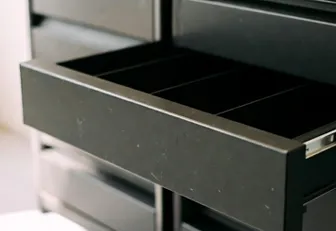
Internal layout – such as adding shelves, drawers, or hanging rods.
Lock types – including padlocks, combination locks, or enhanced security locks.
These tailored features allow the cabinets to seamlessly integrate with different household layouts and usage requirements.
When installing outdoor steel storage cabinets, the following points should be noted:
Use expansion bolts to secure the cabinet to the ground or wall, especially in windy areas, to prevent tipping during use.
Keep the cabinet away from corrosive environments such as acidic/alkaline substances or coastal salt‑spray zones to avoid accelerated rusting.
Ensure the installation surface is level. If the ground is uneven, it should be leveled first to prevent deformation due to uneven stress.
Leave a ventilation gap between the cabinet and the wall or ground during installation to reduce moisture buildup and prevent mold inside.
After installation, regularly check that the fasteners are secure and the anti‑rust coating remains intact. Address any issues promptly to maintain long‑term durability and safety.