Email:
sales@meoen.com
EN
WHAT ARE YOU LOOKING FOR?
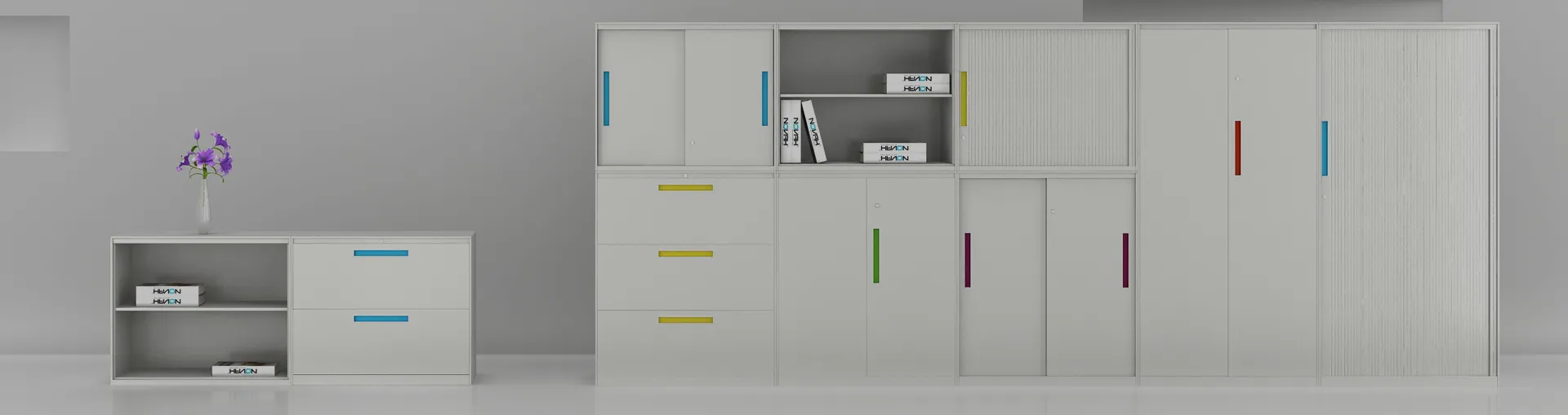
Our team at Meoen understands that when manufacturing a custom steel locker, several important production factors must be kept in mind to satisfy your unique storage and space requirements.
First, the minimum order quantity is a key consideration. In general, large-volume orders benefit from more competitive pricing and shorter lead times, while small-batch customization often comes with higher production costs. To address this, Meoen has established a flexible production line that supports small-batch custom manufacturing.
Steel material selection is another crucial aspect of the customization process. Common options include carbon steel, galvanized steel, and stainless steel. Carbon steel is cost-effective and suitable for general indoor storage, though it offers limited corrosion resistance. Galvanized steel has a rust-resistant coating, making it ideal for humid environments. Stainless steel, with its superior corrosion resistance, is perfect for storing sensitive items such as pharmaceuticals and chemicals.
In terms of surface finishing, the two most common techniques are powder coating and electroplating. Powder coating offers a wide range of colors and provides excellent corrosion and scratch resistance, making it well-suited for standard indoor applications. Electroplating, on the other hand, delivers a more refined appearance and is preferred for projects where aesthetics are a top priority—such as in high-end offices or display environments.
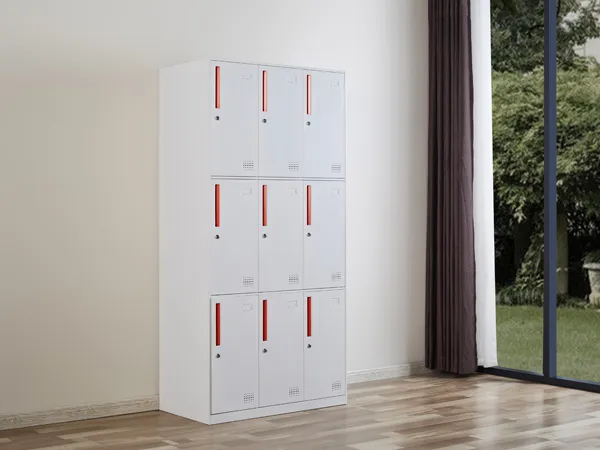
Made from high-quality cold-rolled steel, each unit undergoes acid washing, phosphating, and powder coating for enhanced rust resistance, durability, and exceptional load-bearing strength.
Built with reinforced ribs and spot welding technology to prevent edge prying, offering dustproof, moisture-resistant, and impact-resistant stability.
Choose from mechanical locks, electronic code locks, or fingerprint locks—supports card, fingerprint, and facial recognition access to match varying security needs.
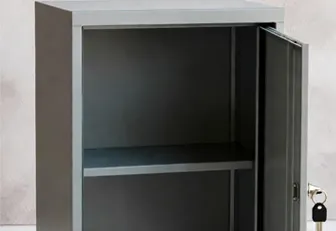
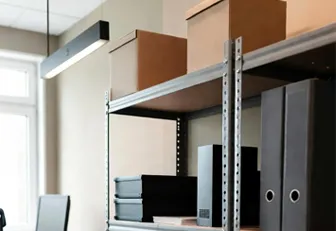
Designed with compartment divisions and adjustable shelves to accommodate documents, tools, and various items—enabling efficient, tidy, and organized storage.
Define Usage Scenarios to Match Core Needs:
Based on the specific use in workplaces or schools, identify the core requirements for lockers. In office settings, prioritize document organization compatibility and anti-theft features; in schools, focus on durability and space efficiency to avoid functional redundancy or inadequacy.
Select High-Quality Materials for Durability and Safety:
Prioritize cold-rolled steel that meets thickness standards to ensure structural stability and resistance to deformation. Pay attention to surface treatment—prefer powder coating that meets odor-free, rust-resistant, and wear-resistant standards. Also, check whether edges and corners are smoothly rounded to prevent bumps and scratches.
Optimize Space Design to Suit the Environment:
Choose appropriate specifications based on installation area dimensions and plan the internal layout accordingly. For offices, consider modular designs with drawers and dividers for easy document categorization; for schools, prioritize single-or double-column layouts with adjustable shelves to accommodate items of varying sizes. Ensure sufficient aisle space is maintained for smooth daily movement.
Prioritize Security Configurations for Item Protection:
Select locks appropriate for the setting. Offices may opt for mechanical locks or electronic code locks with strong anti-theft performance and multi-user access; schools should prioritize specialized anti-pry and anti-jam locks, with master-key systems for managed areas. Additionally, verify proper cabinet grounding to prevent static buildup that could affect electronic devices.
Ensure Environmental Compliance for User Well-being:
Choose products that comply with national environmental standards, ensuring formaldehyde emissions are within limits and there are no strong odors. Review product test reports to confirm that powder coatings are free of heavy metals and other harmful substances—especially important for schools, laboratories, and other environments with high health and safety requirements.
Consider Installation and Maintenance for Better User Experience:
Prioritize products that are easy to install and come with complete accessories. For custom sizes, confirm whether the manufacturer provides on-site measurement and installation services. Pay attention to after-sales support, warranty terms, and repair response times. Opt for designs with easy-to-clean, dust-resistant surfaces to reduce long-term maintenance costs.
Steel lockers offer significantly higher security compared to storage options made of wood, plastic, or other materials. Crafted from cold-rolled steel plates, they are exceptionally sturdy, resistant to impact and deformation, and provide outstanding anti-prying performance. When paired with professional anti-theft locking mechanisms—such as mechanical locks, electronic code locks, or fingerprint locks—their security is further enhanced. Additionally, many models feature reinforced designs including anti-pry door seams and heavy-duty hinges to effectively withstand forced entry attempts.
Moreover, steel is non-combustible, moisture-resistant, and immune to pests, offering comprehensive protection for valuable items, confidential documents, and other sensitive contents. This makes steel lockers a reliable and all-round secure storage solution.
Steel lockers are primarily manufactured using high-quality cold-rolled steel plates, which provide high strength and excellent toughness, ensuring overall durability and stability. Critical structural parts such as the frame and door panels often utilize thickened steel plates for enhanced load-bearing capacity and anti-prying resistance.
The surface typically undergoes a multi-step treatment process including rust removal, phosphating, and electrostatic powder coating. Environmentally friendly powder coatings are applied, offering advantages such as corrosion resistance, scratch resistance, and odor-free properties. Metal components such as locks and hinges are also used to ensure long-term reliability and extended service life.
Steel storage cabinets come in a wide variety of types, which can be categorized based on usage scenarios, structural features, and functional design:
By Usage Scenario:
School Locker Cabinets: Designed with numbered compartments and multi-section layouts.
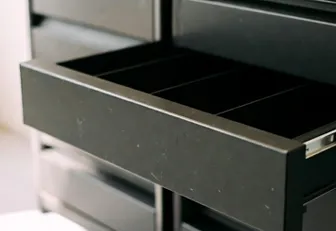
Office Filing Cabinets: Feature drawers and adjustable dividers for document organization.
Employee Locker Cabinets: Equipped with hanging rods and storage compartments for personal items.
Laboratory Cabinets: Made with corrosion-resistant materials and ventilation openings for specialized use.
Workshop Tool Cabinets: Built with high load-bearing capacity and mobility, often on casters.
By Structure:
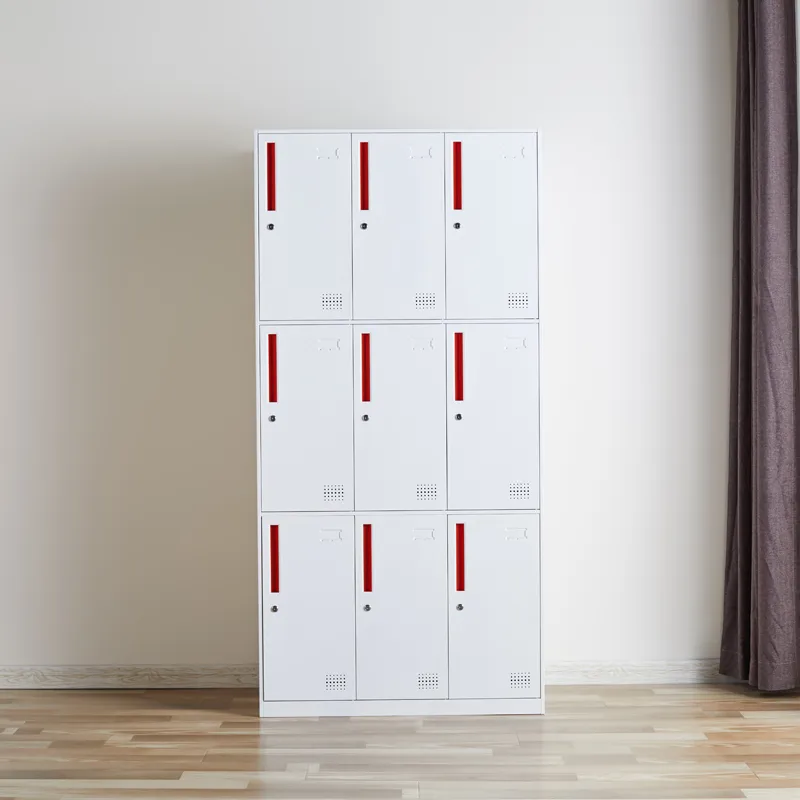
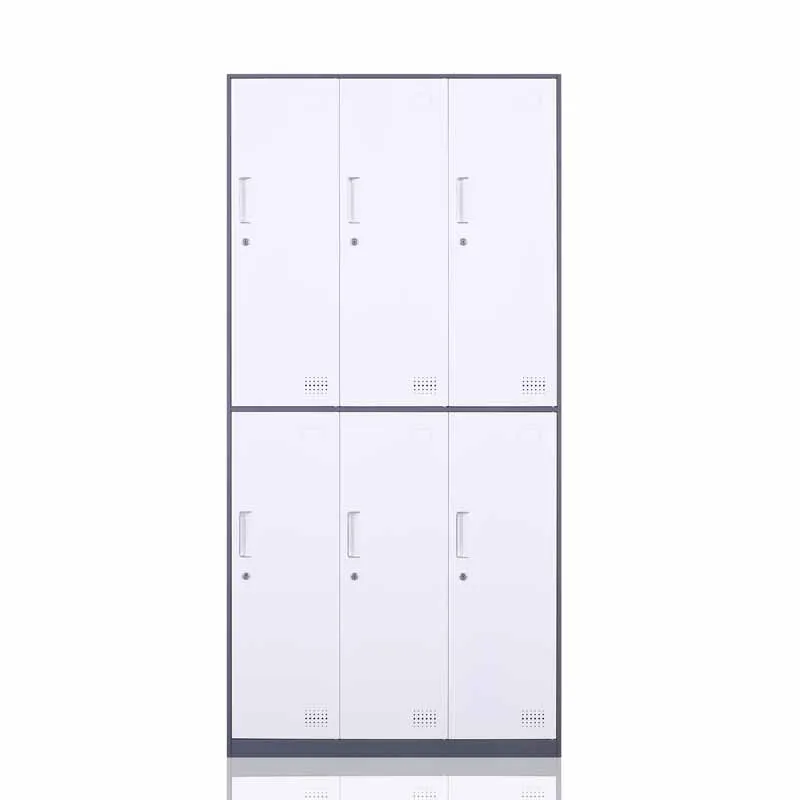
Single-door, double-door, and multi-door cabinets (4-door, 6-door, 8-door, etc.)
Modular or combinable cabinet systems.
By Function:
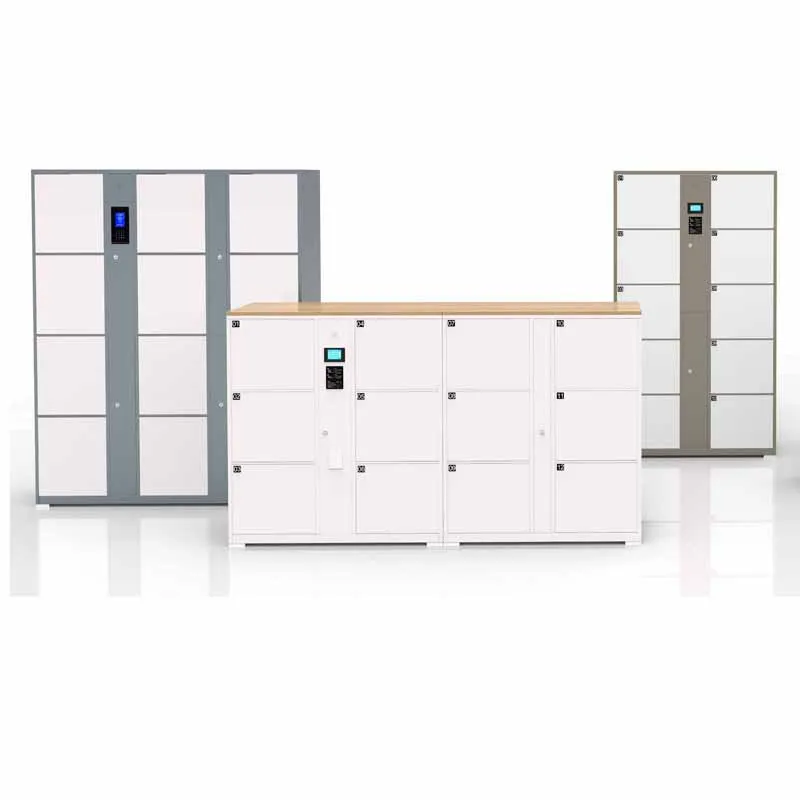
Smart Lockers: Integrated with electronic or biometric locks.
Mobile Cabinets: Mounted on casters for easy relocation.
Adjustable Cabinets: Feature flexible or removable shelving to accommodate varied storage needs.
This diverse range allows steel cabinets to effectively meet storage requirements across different environments and applications.
Load capacity is closely related to steel plate thickness and structural design. The load-bearing capacity of a single shelf generally ranges from 20-50 kg. When thicker shelves are reinforced with ribs, the load capacity can reach 50-80 kg, making them suitable for storing heavier items such as books and tools.
The overall cabinet load capacity typically falls between 100-200 kg. For heavy-duty steel storage cabinets (e.g., workshop tool cabinets), the total load capacity can exceed 300 kg. Specific values should always be verified against the product specifications. When selecting a cabinet, please choose the appropriate load-bearing level based on the weight of the items to be stored.
Yes, customization is supported to meet specific requirements. Customization options cover a range of aspects:
Dimensions: Adjustable height, width, and depth to fit different spatial layouts.
Structure: Flexible configuration of shelf quantity and positioning, with optional add‑ons such as hanging rods, drawers, storage compartments, and digital locks.
Appearance: Custom colors (Pantone color codes available), printed logos, numbering, or other identifiers.
Special Features: Tailored solutions including corrosion‑resistant coatings (for laboratory use), anti‑tipping devices (for tall cabinets), ventilation designs (for moisture‑sensitive items), and more—ensuring personalized functionality for diverse usage scenarios.
The installation process is simple and convenient, mainly divided into the following two scenarios:
Standalone Steel Storage Cabinets
These are typically delivered as fully assembled or semi-assembled units. After unboxing, simply verify that all accessories are included. No complex installation is required—just position the cabinet and it is ready for use.
Modular / Assembled Storage Cabinets
These units usually come with detailed assembly instructions, screws, wrenches, and other necessary tools. Simply follow the steps to assemble the frame, secure the shelves, install locks and door panels, etc. The process is straightforward and can generally be completed by one person. If professional installation is needed, some brands also offer on-site installation services.
Steel lockers have a long service life. With proper care and normal use, they can typically last 10 to 15 years. Thanks to the corrosion-resistant nature of steel and specialized surface treatments (such as rust prevention, phosphating, and powder coating), they effectively withstand moisture, rust, and wear over time.
Key factors affecting their lifespan include:
Steel thickness – thicker plates generally offer greater durability.
Surface treatment quality – high-quality coatings resist chipping and fading.
Frequency of use – regular but non-abusive handling helps maintain integrity.
To further extend their life, it is recommended to:
Avoid forceful impacts or overloading.
Keep the locker dry and clean.
Periodically inspect and maintain locks, hinges, and other hardware.
Compared to wooden lockers (typically 3–5 years) and plastic lockers (around 2–3 years), steel lockers offer significantly longer and more reliable service.
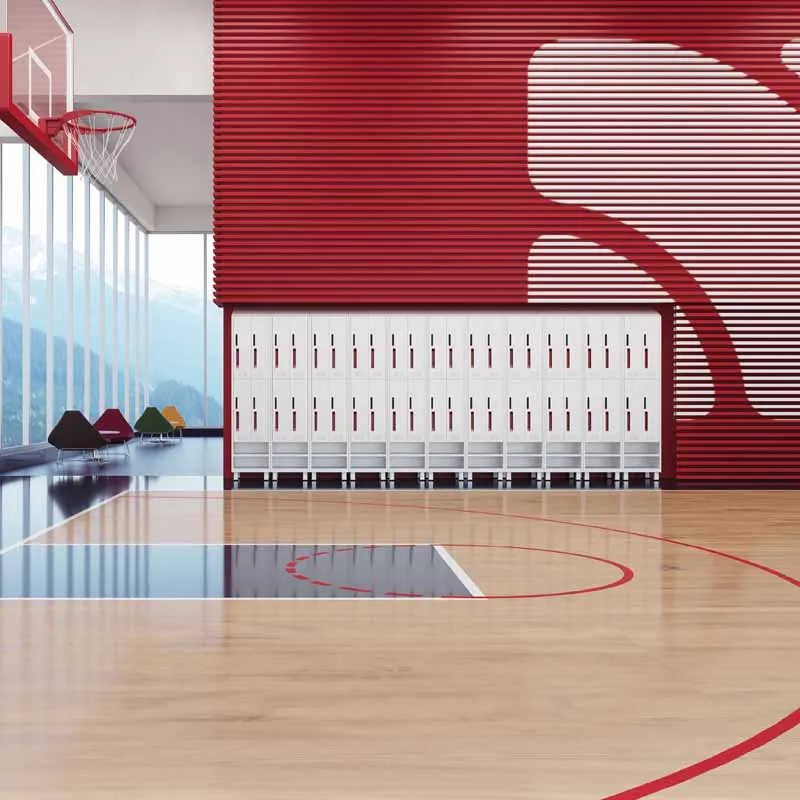
Steel lockers are ideal for use in both schools and offices:
In School Settings:
They are durable, scratch-resistant, and easy to clean. Designed with multiple compartments, they can effectively organize students’ backpacks, textbooks, and personal belongings. Lockable options offer added security for students' items. Their fire-resistant and moisture-proof properties make them well-suited for shared areas such as classrooms and dormitories.
In Office Environments:
With their compact and space-saving structure, these lockers provide organized storage for files, office supplies, and personal items. The drawer-style design allows for easy document categorization and access, while lockable cabinets help safeguard confidential materials. Their sleek and professional appearance blends seamlessly into various office layouts, combining practical functionality with aesthetic appeal.
Steel lockers must comply with stringent safety standards. Common domestic standards in China include:
Environmental Material Standards – e.g., GB/T 38722-2020 Limit of Harmful Substances in Furniture
Structural Safety Standards – ensuring cabinet stability with no risk of tipping, often incorporating anti-tip devices
Lock Safety Standards – requiring anti-prying features, durability, and compliance with relevant anti-theft lock specifications
Internationally recognized standards often referenced include:
ANSI/BIFMA (U.S. office furniture standards)
EN 14073 (European furniture safety standards)
These cover aspects such as load‑bearing capacity, environmental indicators, and operational safety. Certified products undergo relevant testing to ensure they pose no safety hazards during use.