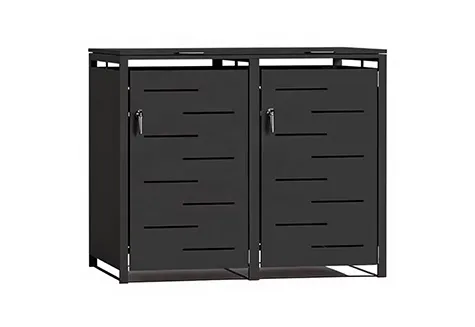
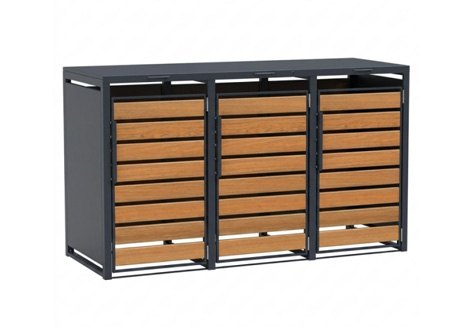
Two steel cabinets can look almost identical in a catalogue. They may have similar dimensions, the same number of doors, and even the same finish. After months of daily use, however, their performance can be very different.
One cabinet may still open smoothly and keep its shape, while another begins to show misaligned doors, loose hardware, or visible wear around high-contact areas. For commercial buyers, this is why steel furniture sourcing should go beyond comparing product photos and unit prices.
When evaluating steel furniture china suppliers, the more useful question is not simply "How much does this cabinet cost?" but "Will the manufacturer be able to deliver the same quality consistently across the whole order - and again when we reorder next year?"
Start With How the Furniture Will Actually Be Used
A cabinet that performs well in a private office may not be the right choice for a school, warehouse, archive room, workshop, or shared workspace. Before selecting a model, buyers should first understand the daily use scenario.
For example, filing storage may require a very different internal arrangement from general office supplies, while frequently accessed workshop storage needs to cope with a different level of daily use.
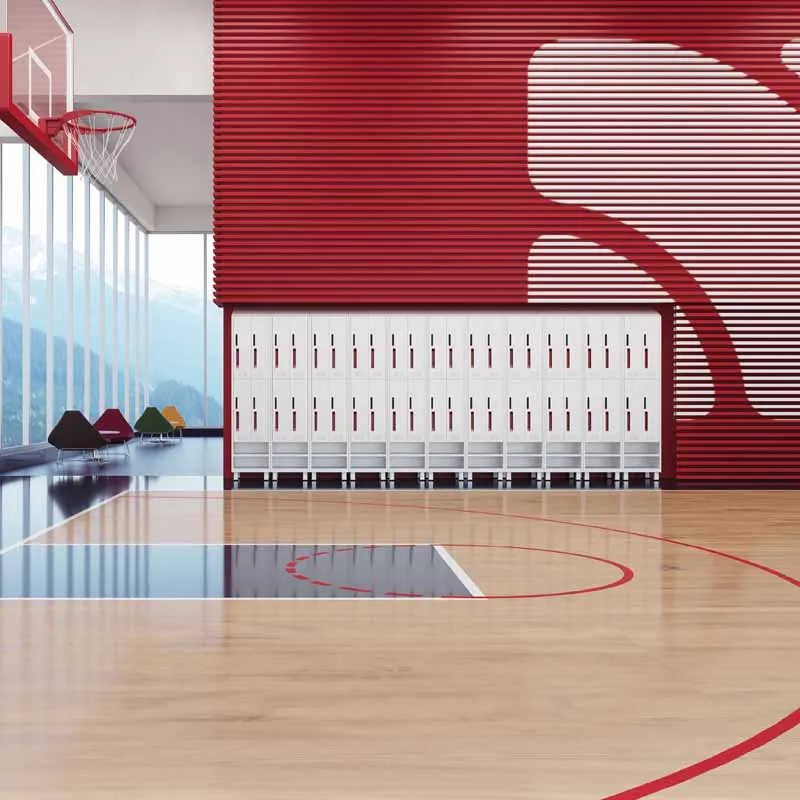
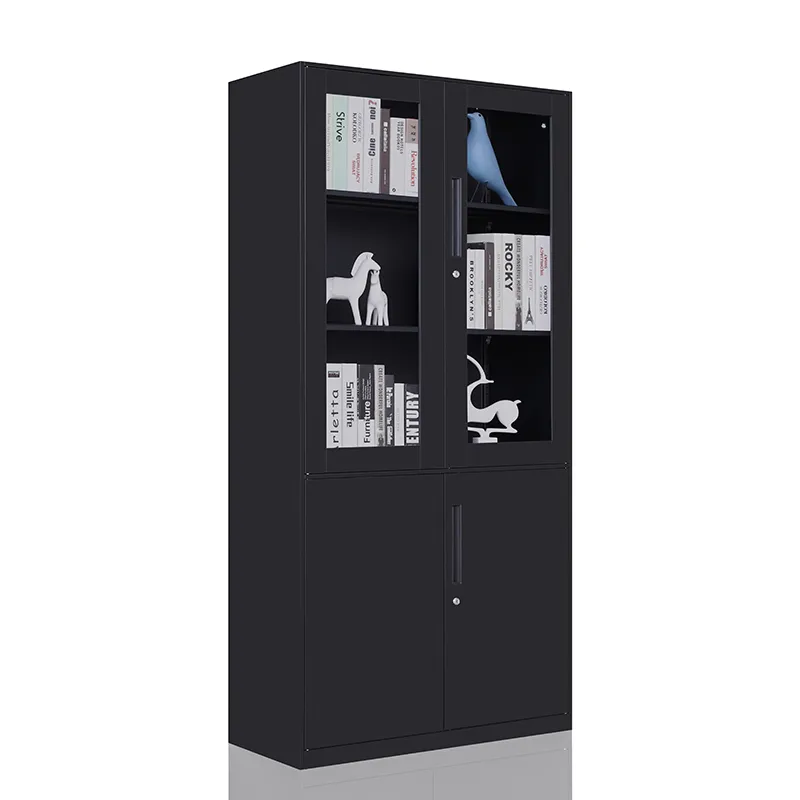
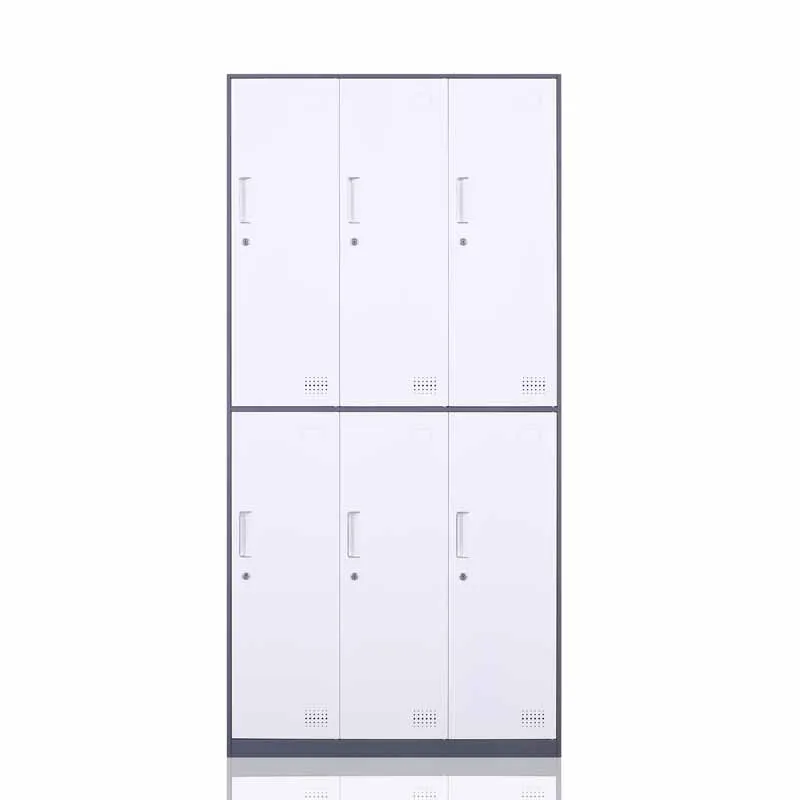
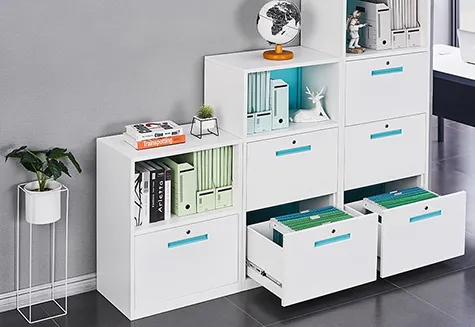
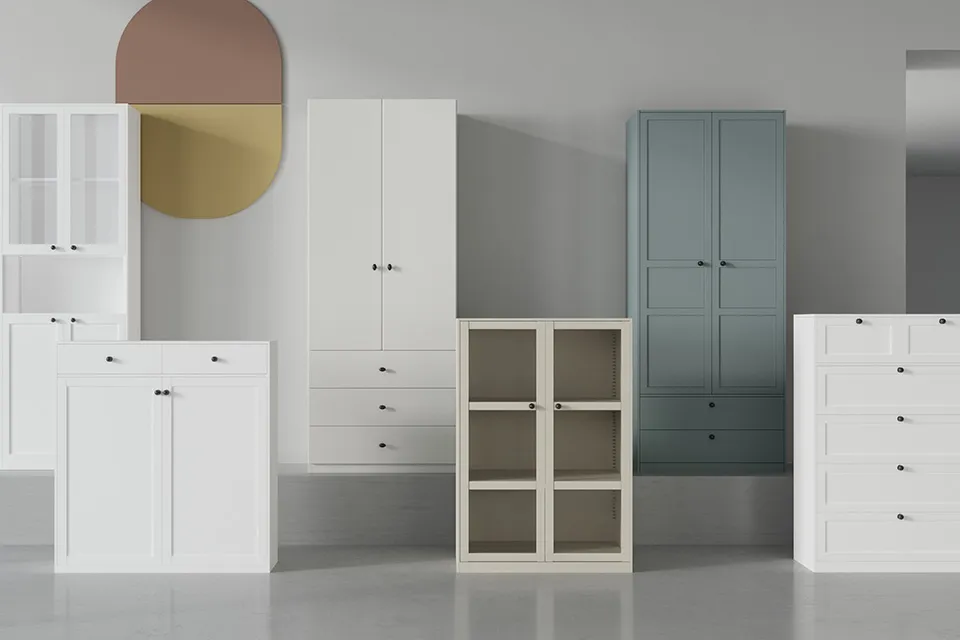
Meoen offers steel furniture for a range of commercial storage applications, including filing cabinets, display cabinets, storage cabinets, mobile filing systems, bookcases, cupboards, and workshop cabinets. Starting from the right product category helps buyers avoid unnecessary customization and gives the manufacturer a clearer basis for recommending a suitable solution.
A Product Photo Only Shows Part of the Quality
Catalogue photography is useful for comparing styles, but it cannot show how a cabinet feels after hundreds of door openings or whether shelves remain stable under repeated use.
Material matters, but so do forming accuracy, cabinet structure, surface preparation, coating quality, and the way moving components operate together. Meoen uses cold-rolled steel for its steel cabinet range and applies powder-coated finishes for commercial storage applications.
Steel also has advantages from a material lifecycle perspective. The World Steel Association describes steel as a material that can be recycled repeatedly, making it relevant for organizations considering durability and long-term material use.
Which Details Matter Most in a Commercial Steel Cabinet?
What Buyers Often Compare | What Should Also Be Checked | Why It Matters |
Steel thickness | Overall cabinet structure and forming accuracy | A heavier sheet alone does not guarantee a stable finished cabinet. |
Product appearance | Door alignment and daily operation | Small alignment problems become more noticeable with frequent use. |
Paint color | Coating consistency and surface preparation | A uniform finish is especially important across large commercial orders. |
Lock type | How smoothly the complete door system operates | The lock is only one part of the user's everyday experience. |
Unit price | Packaging, consistency, and repeat-order capability | Problems after delivery can quickly reduce the savings from a lower quotation. |
Do You Really Need a Fully Customized Cabinet?
Customization can add real value, but more customization is not automatically better.
If a standard cabinet already meets the storage requirement, redesigning every dimension or structural detail may add complexity without improving the final result. Customization becomes more meaningful when the furniture needs to fit a specific space, support a particular workflow, match a project identity, or provide functionality that standard products cannot offer.
Meoen provides OEM and ODM support, allowing project buyers to work from existing steel furniture designs and modify the areas that genuinely need to change. For distributors and contractors, this can be more efficient than developing every order from zero.
Why One Sample Can Prevent Hundreds of Problems
A slightly uneven door on one sample may seem like a small issue. The same problem repeated across 300 cabinets is no longer small.
This is why sample approval should be treated as a real test rather than a formality. Buyers can open and close the doors repeatedly, check the internal storage space, inspect the corners and finish, and test the assembly process if products will be assembled after delivery.
A physical sample often reveals details that are difficult to judge from drawings alone. For customized orders, the approved sample and final drawing can then become the reference for bulk production.
The Lowest Price Is Not Always the Lowest Project Cost
Price remains important in any B2B purchasing decision, but the cheapest quotation can become expensive if inconsistent production, damaged packaging, rework, or replacement parts create additional work after delivery.
This does not mean buyers should simply choose the highest-priced supplier. Instead, quotations should be considered together with production consistency, inspection procedures, communication, and repeat-order capability.
Quality management frameworks such as ISO 9001 provide useful principles for structured process control, although buyers should always verify the specific certifications or standards required by their own market or project.
Think About the Second Order Before Placing the First
Commercial furniture projects often grow in stages. A company may furnish one office this year and another branch later. A distributor may test one cabinet model before adding it to a wider product range.
If the first order is produced without a clear reference for the approved structure and finish, reproducing exactly the same cabinet later can become surprisingly difficult.
Keeping the final drawing, approved sample, and agreed finish as a repeatable product reference makes future sourcing much easier. It also allows both buyer and manufacturer to work from the same standard when a project expands.
Choose Steel Furniture for Long-Term Use, Not Just the Quotation
The best commercial steel cabinet is not necessarily the most complicated one or the one with the longest specification sheet. It is the product that suits the space, performs reliably in everyday use, and can be supplied consistently when the project grows.
For B2B buyers, better sourcing often comes from asking practical questions: How will the cabinet be used? What needs to work reliably every day? Which details genuinely need customization? Can the same product be reproduced when another order is required?
Meoen's steel cabinet range provides a practical starting point for both standard and customized commercial storage projects, allowing buyers to select an existing product platform and refine it according to their actual application.
FAQs
What should I check when comparing steel furniture suppliers?
Look beyond price and appearance. Sample quality, production consistency, cabinet operation, finishing, packaging, customization support, and future repeat-order capability are all important for commercial projects.
Is custom steel furniture always better than standard furniture?
No. Standard products are often more efficient when they already meet the application. Customization is most useful when the project has a genuine requirement that standard furniture cannot satisfy.
Why is sample approval important for bulk steel furniture orders?
A sample gives the buyer an opportunity to test the product before the same design is repeated across a large production batch.
Is cold-rolled steel suitable for commercial cabinets?
Yes. Cold-rolled steel is commonly used for indoor commercial storage furniture. Final performance also depends on cabinet design, manufacturing, surface treatment, and daily use conditions.
Can Meoen support OEM and ODM steel furniture projects?
Yes. Meoen provides OEM and ODM support for buyers who need suitable modifications to existing steel furniture designs for commercial projects.
References
World Steel Association. "What Is Steel?" World Steel Association. https://worldsteel.org/about-steel/what-is-steel/
International Organization for Standardization. "ISO 9001:2015 - Quality Management Systems - Requirements." ISO. https://www.iso.org/standard/62085.html
BIFMA. "Standards Overview." Business and Institutional Furniture Manufacturers Association. https://www.bifma.org/page/standardsoverview
 English
  Deutsch
  Español
  العربية
  Polska
  Gaeilge